Coursework · Certified Coffee Snob
Required reading
Approximately 8 minutes of study. Candidates may proceed directly to the examination at any time.
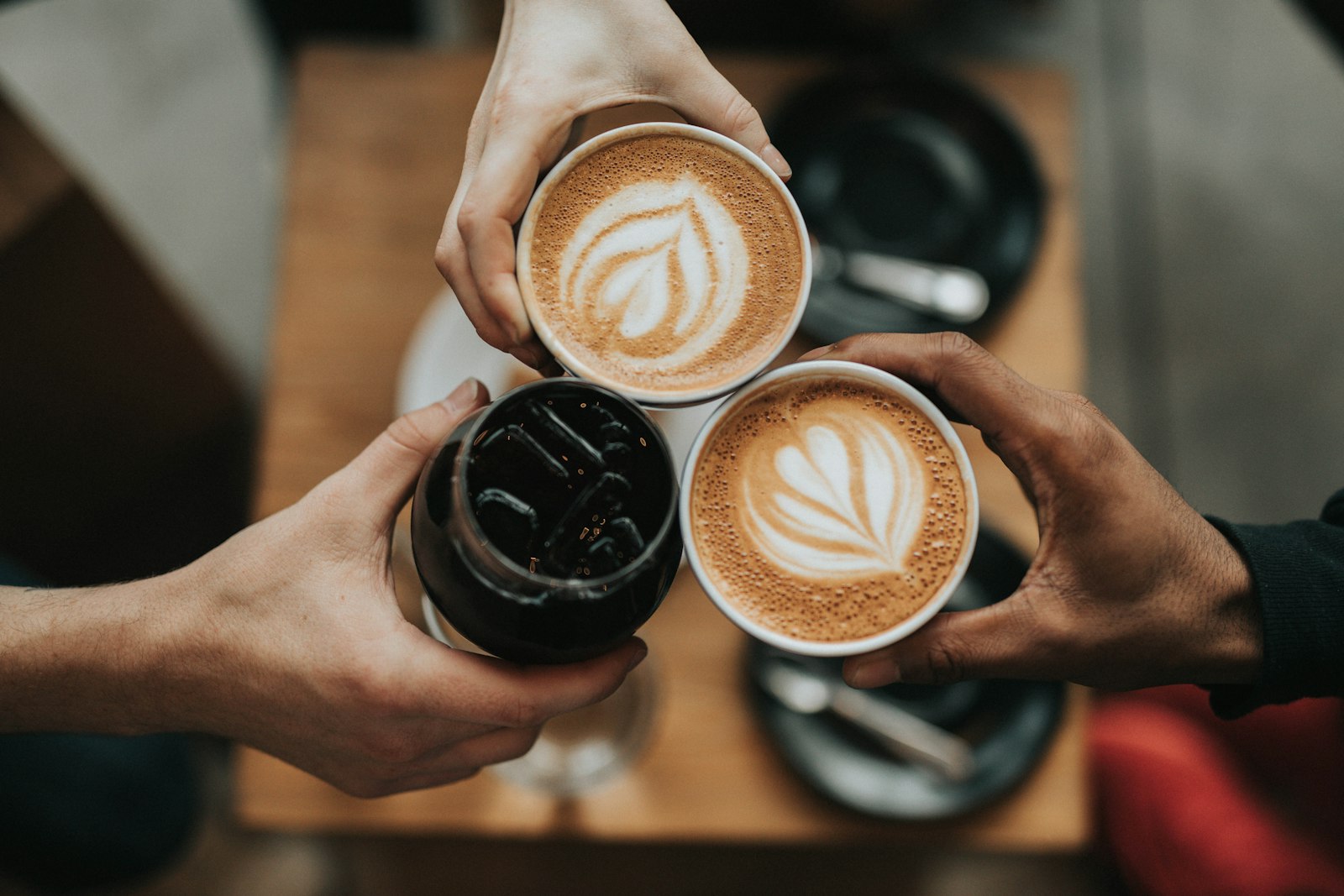
Module I — Origin
The candidate will demonstrate fluency in the major producing regions: the washed Ethiopians, the natural Colombians, the elusive Geshas of Panama, and the fermented anaerobics that have, for some years now, been the subject of mild controversy at festivals. The candidate is expected to recall, on demand, the elevation, varietal, and processing method of any bean encountered, and to mention, in passing, that they once visited a farm.
Module II — Equipment
The practitioner does not own a drip machine. The candidate will achieve fluency in the canonical apparatus: the Chemex, the Hario V60, the Kalita Wave, the AeroPress (in both its standard and its inverted configurations), and the Fellow Stagg kettle, the spout of which has been engineered to enable a degree of pour control sufficient for the discerning practitioner. A scale accurate to the tenth of a gram is, of course, table stakes.
Module III — The Pour
The candidate will be examined on water temperature (between 92 and 96 degrees Celsius, never warmer), bloom duration (forty-five seconds, no fewer), grind size (medium-coarse for pour-overs; the candidate must own a burr grinder), and the rosetta of pour patterns required to coax a balanced extraction from a contemporary natural-process Yirgacheffe.
Module IV — Vocabulary
The candidate will demonstrate fluency in the descriptive language of the discipline: bright, clean, honeyed, floral, winey, jammy, with notes of stone fruit, with a long, lingering finish, with a subtle fermentation note that lifts toward the second sip, and the most advanced of the canonical descriptors, funky. The candidate is reminded that “good”, in this discipline, is not a word.
Module V — Gatekeeping
The advanced practitioner does not merely enjoy superior coffee. The candidate will demonstrate proficiency in the polite redirection of others: the soft-spoken correction at the office break room, the gentle declining of the host’s offered cup, and the strategic gift of a small bag of beans from one’s preferred roaster, accompanied by a brief, unsolicited tutorial on the proper grind size.
The graduate is expected to maintain a working relationship with at least one roaster within a sixty-mile radius, to know the name of their barista by the end of the second visit, and to refer to all other coffee, where possible, as “fine.”
Once the prescribed reading has been completed, candidates may proceed to the formal examination.
Proceed to examination →